- CollegeCamberwell College of Arts
- CourseBA (Hons) Fine Art: Sculpture
- Graduation year2025
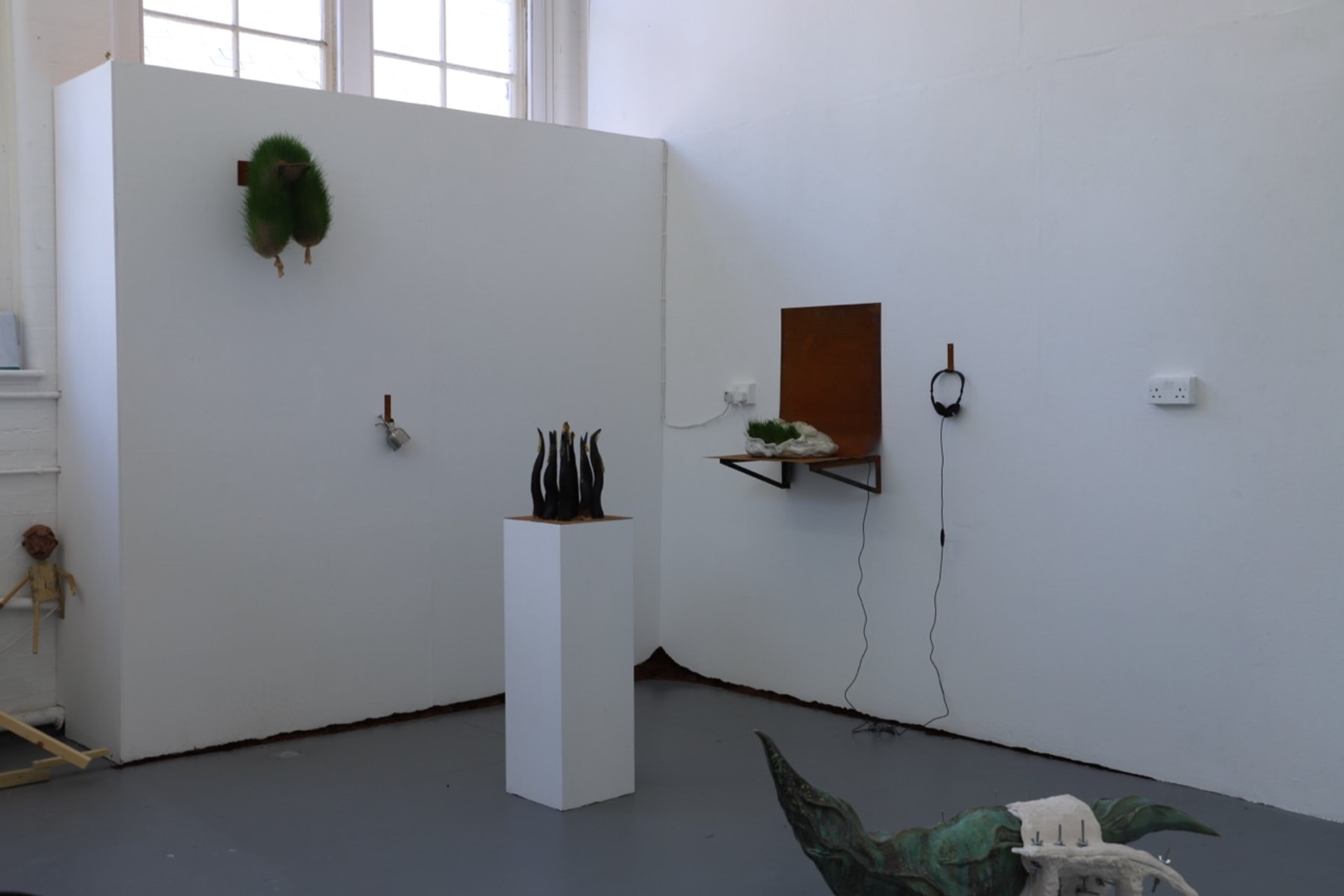
In my work “Domestication: As we live in a Zoo”, I create a multisensory experience using steel, grass seeds, melted sugar, , the Smell of coffee and tobacco, and the sound of loosen strings old violin. From a postcolonial Chinese perspective, I inspired on Foucault’s theory of “disciplinary power “and George Orwell’s “Animal Farm” .I come up with the ideas of the “socialized animal” and “domestication”.
By combining industrial materials with natural growth, I use the reshape between steel and growing grass to represent the domestication relationship between nature and industrial, as a metaphor for the way social power structures domesticate human beings. I try to make the audience think. “when domestication becomes gentle, Even sweet and more invisible Could we able to recognize it—or have we already become socialized animals?”
Final work
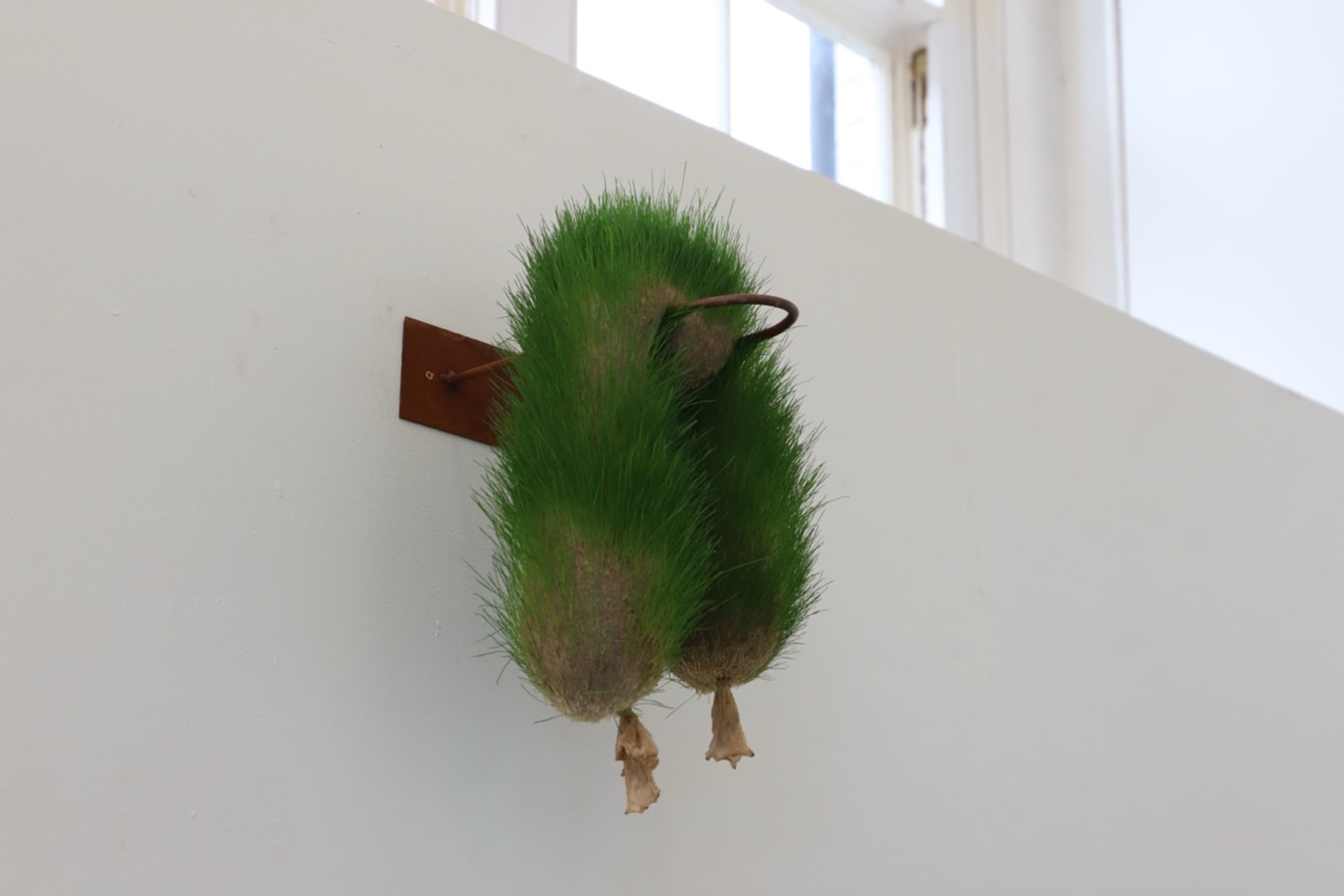
"Domestication: As we live in the zoo"
detail : rusty steel , garss seeds with soil , elastic fabric
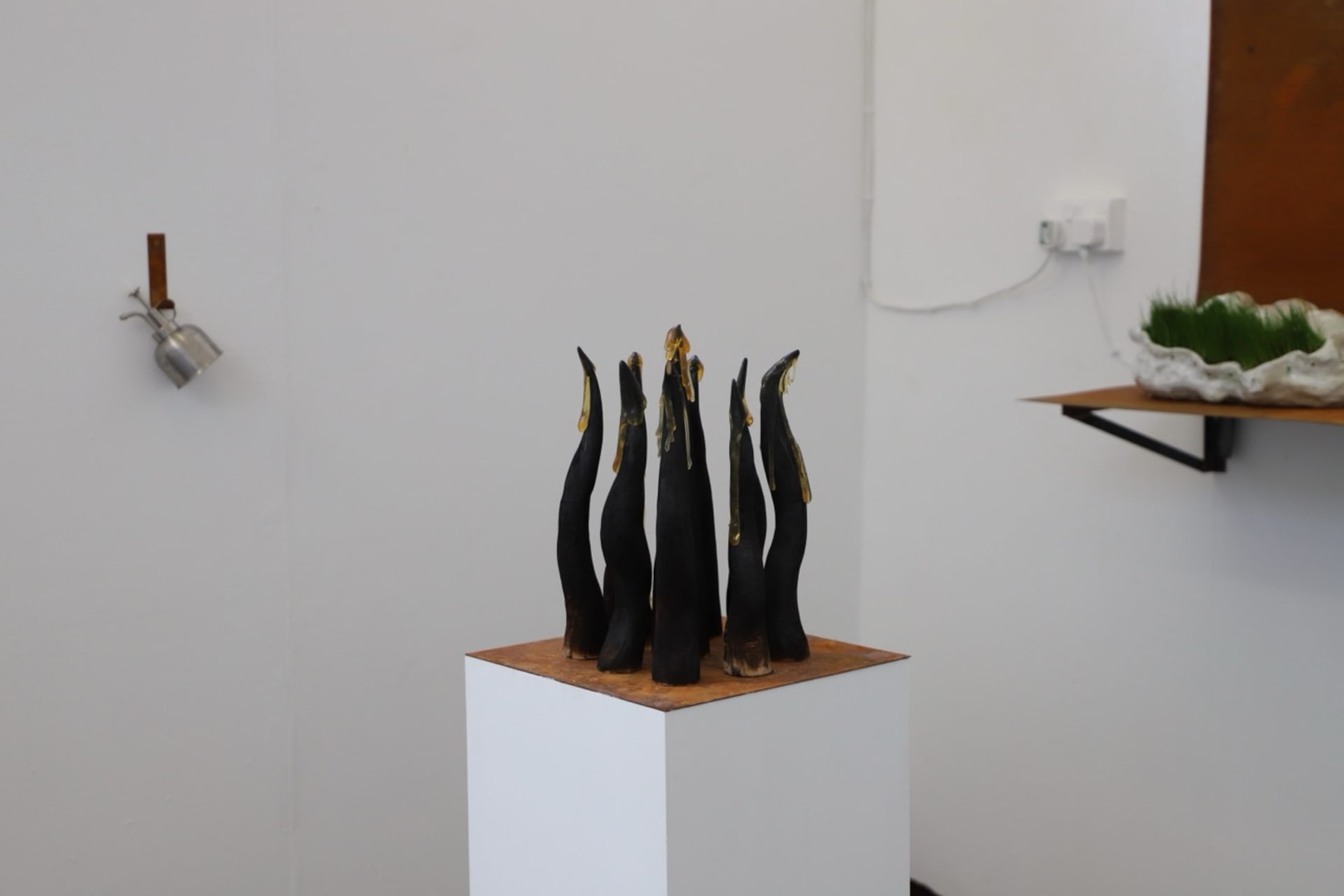
"Domestication: As we live in the zoo"
detail : melted sugar, rusty steel ,bured black suface wood
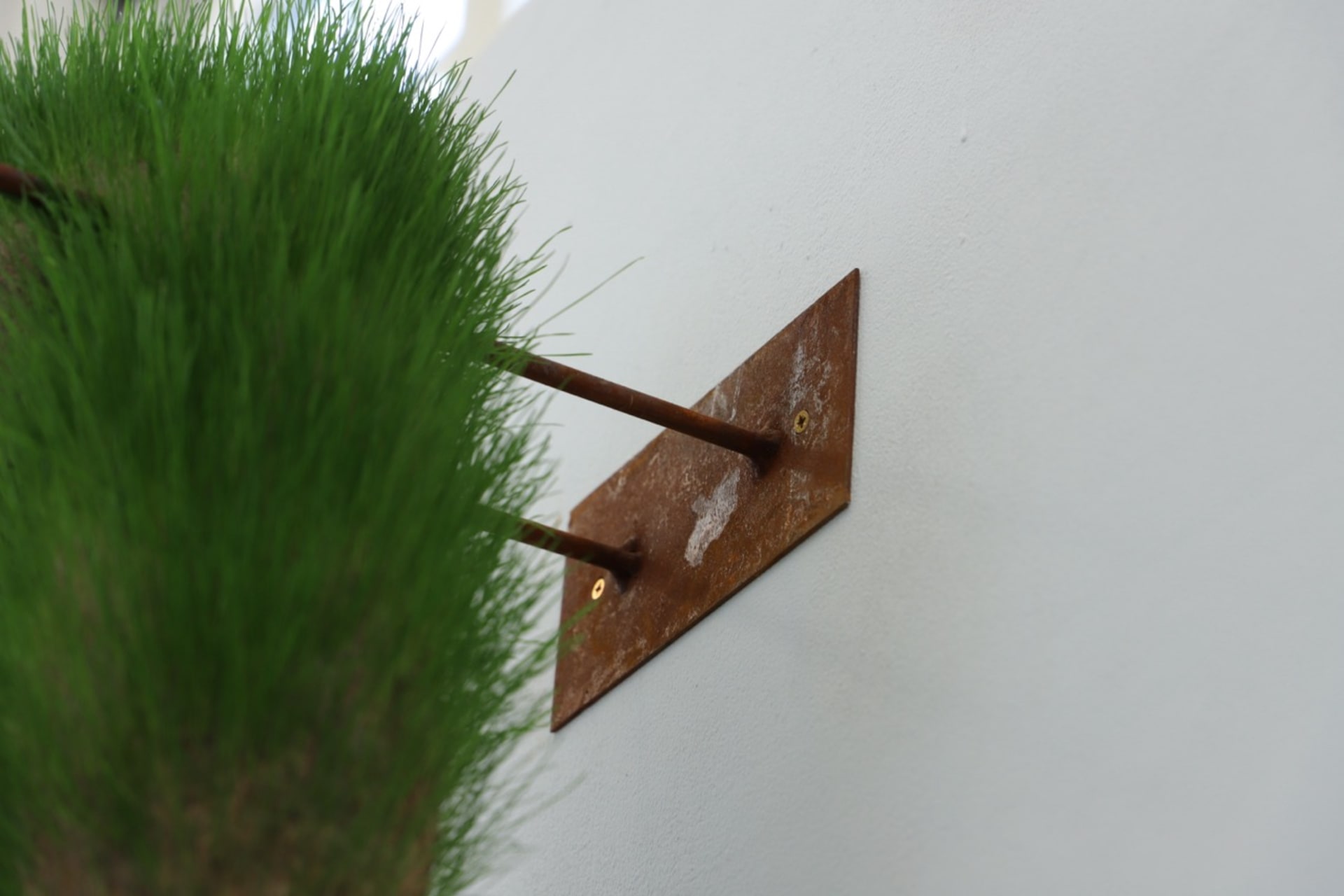
"Domestication: As we live in the zoo"
detail
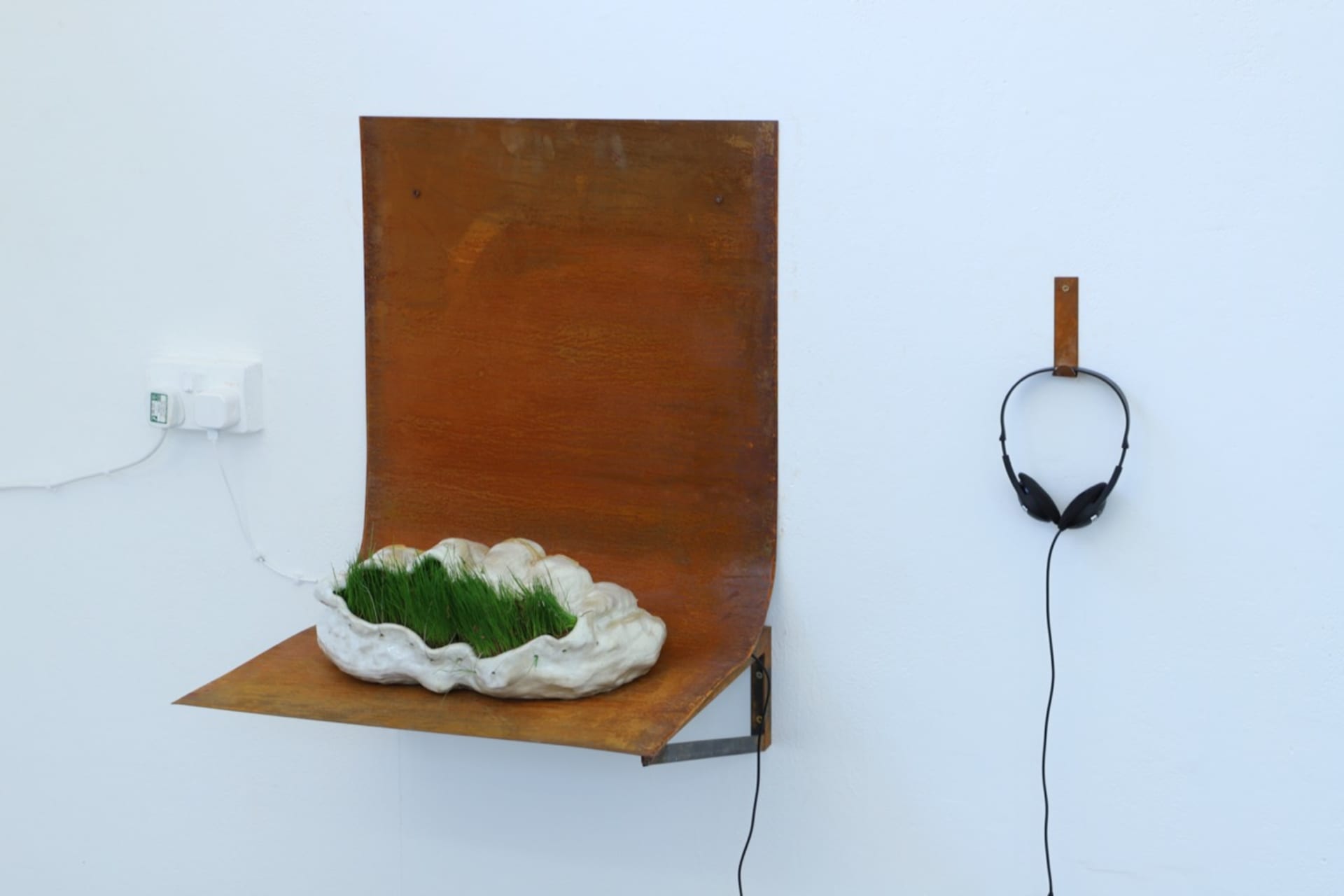
"Domestication: As we live in the zoo"
ceramic , grass seeds, soil ,rusty steel, the sound of loosen strings old violin.
Research and process
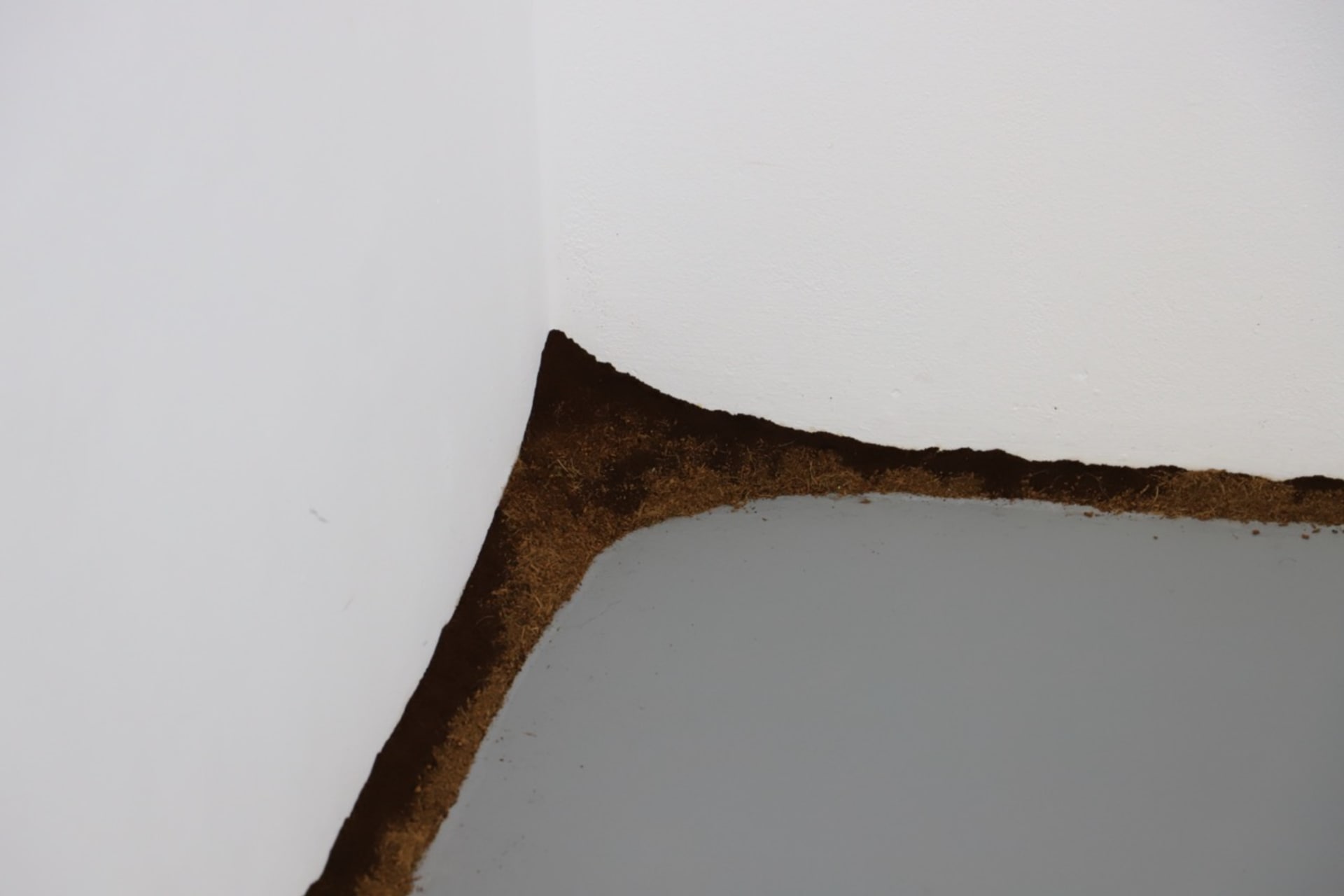
"Domestication: As we live in the zoo"
coffee and tobacco smell element
Share this project
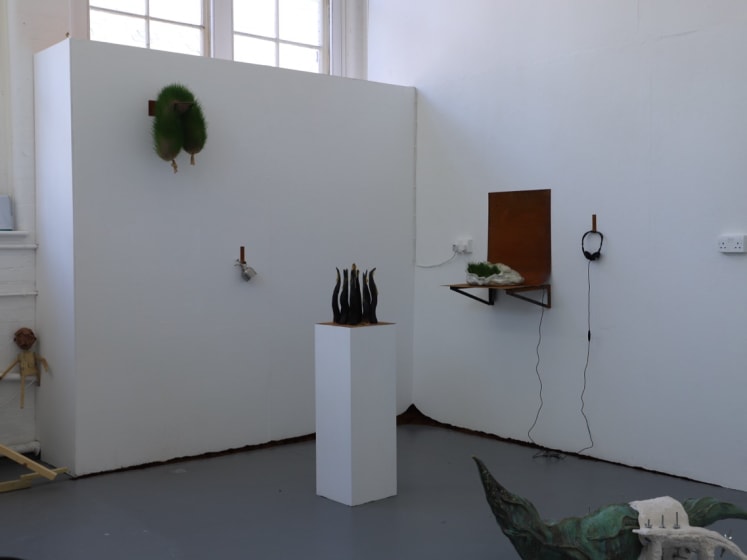
"Domestication: As we live in the zoo"
In my work “Domestication: As we live in a Zoo”, I create a multisensory experience using steel, grass seeds, melted sugar, , the Smell of coffee and tobacco, and the sound of loosen strings old violin. From a postcolonial Chinese perspective, I inspired on Foucault’s theory o...
A link to this page has been added to your clipboard